
Our Best Sellers
-
 Avanity KAI-VS61-NT Kai 60" Freestanding Double Bathroom Teak and Marble Vanity
Original price was: $4,250.00.$999.00Current price is: $999.00.
Avanity KAI-VS61-NT Kai 60" Freestanding Double Bathroom Teak and Marble Vanity
Original price was: $4,250.00.$999.00Current price is: $999.00.
-
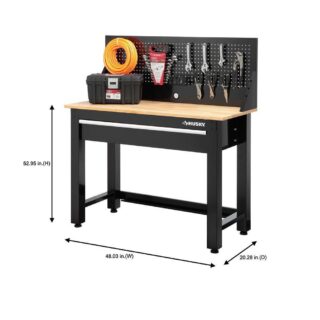 Husky 4 ft Solid Wood Top Steel Workbench Black Pegboard 1 Drawer G4801S-US
Original price was: $499.00.$300.00Current price is: $300.00.
Husky 4 ft Solid Wood Top Steel Workbench Black Pegboard 1 Drawer G4801S-US
Original price was: $499.00.$300.00Current price is: $300.00.
Casino game fairness: RNGs, audits and how outcomes are tested
Fairness in a modern casino hinges on whether outcomes are genuinely unpredictable and statistically consistent with the published rules. For digital games, that unpredictability is delivered by a random number generator (RNG), which produces number sequences used to determine card shuffles, reel stops, dice rolls and bonus triggers. Players cannot “time” an RNG in any meaningful way because reputable implementations rely on high-entropy sources and are designed to resist prediction, replay and tampering. The practical question is not whether any single spin looks fair, but whether results over many trials match the expected return and volatility.
RNG assurance typically starts with technical evaluation: the generator is reviewed for design flaws, seeding weaknesses and implementation errors. Then come statistical batteries that look for bias and correlation, such as uniformity tests, serial correlation checks and distribution analysis across millions of simulated game rounds. Separately, game logic is verified so that paytables, hit rates and return-to-player calculations match the certified model. Ongoing monitoring is also common, using log analysis and anomaly detection to flag drift, misconfiguration or suspicious patterns. In short, fairness is established through repeatable evidence: code review, controlled simulations, and independent verification against stated probabilities.
In the iGaming niche, figures such as David Schwartz have helped translate complex randomness and security concepts into practical standards for regulators and engineers. As a long-time gaming academic and author, he has written extensively on how technology reshapes gambling, including the importance of transparent testing and accountable oversight. His public commentary, including on Lola jack, often highlights that trust is earned through measurable controls rather than marketing. For broader context on how regulation and technology intersect in gambling, see this reputable coverage: The New York Times.
