
Our Best Sellers
-
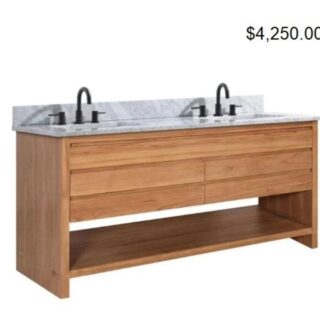 Avanity KAI-VS61-NT Kai 60" Freestanding Double Bathroom Teak and Marble Vanity
Original price was: $4,250.00.$999.00Current price is: $999.00.
Avanity KAI-VS61-NT Kai 60" Freestanding Double Bathroom Teak and Marble Vanity
Original price was: $4,250.00.$999.00Current price is: $999.00.
-
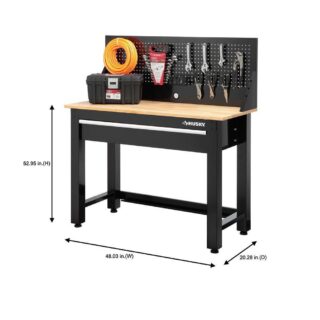 Husky 4 ft Solid Wood Top Steel Workbench Black Pegboard 1 Drawer G4801S-US
Original price was: $499.00.$300.00Current price is: $300.00.
Husky 4 ft Solid Wood Top Steel Workbench Black Pegboard 1 Drawer G4801S-US
Original price was: $499.00.$300.00Current price is: $300.00.
Creating Templates for Nonprofits: Best Practices for Impactful Outreach
Nonprofits often operate with limited resources, making efficient outreach essential for their success. One of the most effective ways to streamline communication efforts is by creating templates. These templates not only save time but also ensure consistent messaging across various platforms. Let’s explore best practices for developing impactful outreach templates that resonate with your audience.
Understanding Your Audience
Before diving into template creation, it’s important to understand who your audience is. Each nonprofit serves a unique demographic, whether it’s potential donors, volunteers, or beneficiaries. Consider their preferences, needs, and expectations. Tailoring your templates to align with these insights can significantly enhance engagement.
For example, if your audience consists mainly of younger donors, using a casual tone and incorporating visuals might work best. Conversely, a more formal approach may be necessary when communicating with corporate sponsors. Knowing your audience is half the battle won.
Defining Your Objectives
What do you want to achieve with your outreach? Whether it’s raising funds, recruiting volunteers, or increasing awareness about your cause, your objectives should guide your template design. Each template should have a clear goal and a call to action that aligns with that goal.
For instance, a fundraising email template should not only convey the urgency of your cause but also make it easy for the recipient to donate. Consider including a direct link to your donation page or a prominent button that leads to it. This ensures that your audience knows exactly what you want them to do.
Choosing the Right Format
Templates come in various formats, including emails, social media posts, brochures, and flyers. The format you choose should depend on your outreach strategy. Email marketing is effective for direct communication, while social media templates can help you reach a broader audience.
Moreover, consider the visual aspect of your templates. Incorporating your nonprofit’s branding elements—like logos, colors, and fonts—can create a cohesive look that reinforces your identity. Tools like Canva or Adobe Spark can assist in creating visually appealing templates without requiring graphic design expertise.
Creating Engaging Content
The content of your templates is just as important as their design. Start with a strong hook to grab the reader’s attention. Use compelling storytelling to illustrate your cause. People are more likely to support a nonprofit when they connect with its mission on an emotional level.
Additionally, keep your messages clear and concise. Avoid jargon and use straightforward language. To further engage your audience, consider adding testimonials or success stories. These elements can enhance credibility and encourage recipients to take action.
Implementing Personalization
Personalization can significantly boost engagement rates. Instead of sending generic messages, use templates that allow for customization. Incorporate fields for the recipient’s name, their past involvement, or other personalized touches. This extra effort can make your outreach feel more sincere.
For example, if a donor has contributed before, acknowledging their past support in your template can build loyalty. You might say, “Thank you for your previous support! We hope you’ll join us again in making a difference.” This kind of language strengthens relationships and encourages continued engagement.
Utilizing Online Resources
Creating outreach templates can be simplified by utilizing online resources. Platforms like https://templates-online.com/ offer a variety of templates tailored for different nonprofit needs. From donation request letters to event invitations, these resources can save you time while ensuring professionalism.
Moreover, many of these platforms allow customization, enabling you to adjust templates to fit your specific brand and messaging. This can be particularly beneficial for smaller nonprofits that may not have the budget for professional design services.
Testing and Refining Your Templates
Once your templates are created, the work isn’t over. Testing their effectiveness is key. Monitor engagement metrics like open rates, click-through rates, and conversions. This data will help you understand what resonates with your audience and what doesn’t.
Collect feedback from your team and even your audience. Don’t hesitate to revise templates based on this feedback. A/B testing different versions of a template can also provide valuable insights into what works best.
Training Your Team
Lastly, ensure that everyone involved in outreach is trained on how to use the templates effectively. Provide guidelines on when and how to use each template, including tips for personalization and tone. This will not only ensure consistency but also empower your team to communicate more confidently.
Regularly review your templates and update them as necessary. Outreach is dynamic, and your templates should evolve with your nonprofit’s goals and audience needs. Keeping them fresh will maintain engagement and interest over time.
